

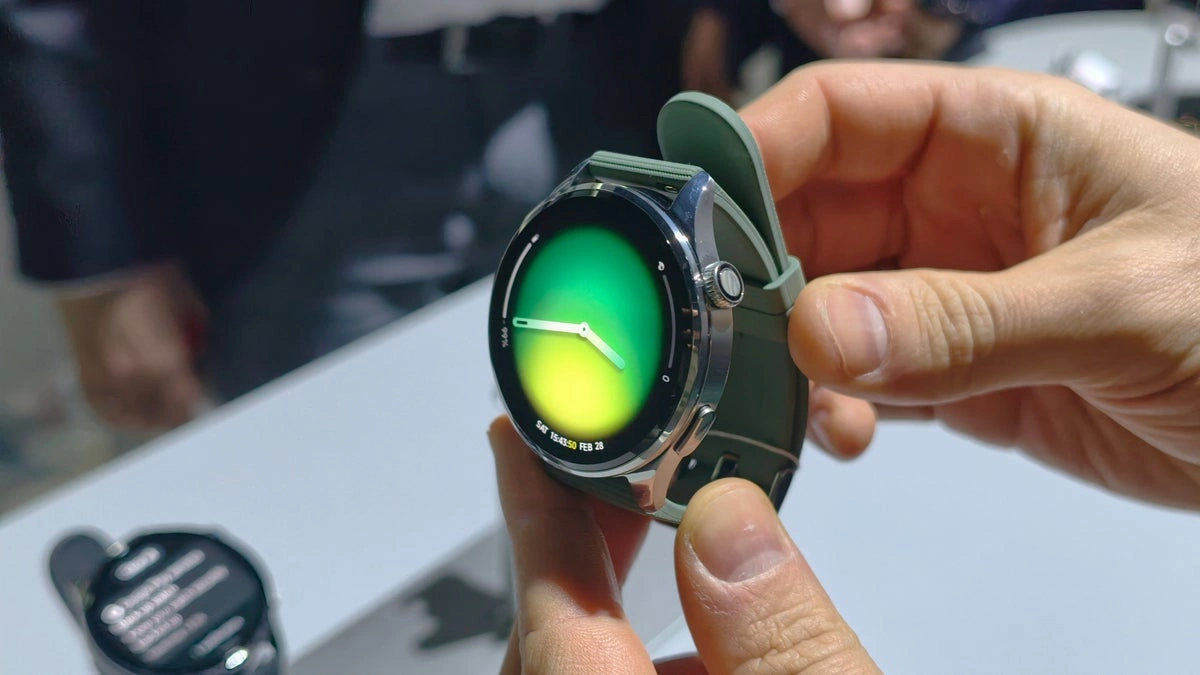
Alright, let’s grab a coffee and talk about something genuinely exciting in the world of wearables. For a while now, smartwatches have felt like they were in a bit of a rut, right? Iterative improvements, slightly better battery life, maybe a new color. But then, something truly different pops up, and it makes you lean forward. That’s exactly how I feel about the buzz around the Xiaomi Watch 5, especially with its groundbreaking EMG sensor and, perhaps even more significantly, its return to the Wear OS fold. It’s not just another device; it’s a strategic move that could redefine what we expect from our wrists.

Here’s the thing: we’re not just talking about a new feature here. We’re talking about a fundamental shift in how your smartwatch understands your body. And Xiaomi, after a flirtation with its own proprietary software, is back on Google’s platform, signaling a bigger play. My goal isn’t just to tell you what’s happening, but to dig deep into why this matters, why it’s more than just a spec sheet update, and what it signals for the future of personal health technology. This isn’t just news; it’s a peek into tomorrow.
The “Why” of EMG | Beyond Heart Rate and Steps


For years, our smartwatches have been masters of the heart: tracking beats per minute, detecting arrhythmias, even doing ECGs. And that’s fantastic, don’t get me wrong. But our bodies are more than just a ticker. They’re intricate systems of muscles, tendons, and nerves, and until now, our everyday wearables have largely ignored that crucial layer of information. Enter Electromyography, or EMG. If you’ve ever had physical therapy or seen professional athletes hooked up to equipment, you’ve likely witnessed EMG in action. It’s the science of measuring muscle electrical activity, providing incredibly detailed insights into muscle fatigue, recruitment, and even potential injury risk.
So, why is an EMG smartwatch like the Xiaomi Watch 5 such a big deal? Imagine this: instead of your watch just telling you that you ran for 30 minutes, it could tell you which specific muscle groups were overworking, or if your form was leading to imbalanced muscle recruitment. That’s a profound leap in muscle activity tracking. This isn’t just about counting reps; it’s about understanding the quality of those reps and the deeper physiological impact of your movements. For athletes, this could mean optimizing training, preventing overtraining, and identifying weaknesses before they become injuries. For the everyday fitness enthusiast, it translates into smarter workouts and a more intuitive understanding of their body’s limits. It’s moving beyond the surface-level metrics to genuinely actionable data about your physical exertion. The traditional health monitoring wearables have given us a great foundation, but EMG adds a whole new floor to the building of personal insights. This is the next frontier for fitness technology advancements, pushing beyond the standard optical heart rate sensors to something far more nuanced.
I initially thought this might be an overkill feature for the average user, but then I realized the potential. Think about rehabilitation, or even just desk-job posture. An EMG sensor could provide real-time feedback, helping you correct imbalances or ensuring you’re engaging the right muscles during an exercise. It’s about empowering users with unprecedented data, moving us closer to truly personalized health coaching, straight from our wrists. This is the kind of smartwatch innovation that genuinely excites me, because it solves a problem we didn’t even realize our existing tech wasn’t addressing.
Xiaomi’s Strategic Play | Back in the Wear OS Fold
Now, let’s talk about the other massive piece of this puzzle: Xiaomi’s decision to bring the Xiaomi Watch 5 back into the Wear OS camp. It’s a move that speaks volumes about the shifting landscape of the smartwatch market. For a while, Xiaomi had opted for its own proprietary operating system on many of its global smartwatches, likely aiming for tighter control and potentially better battery life. But the allure and ecosystem of Google’s wearable platform are undeniable.
So, why the return? Well, let’s be honest, Wear OS has matured significantly. It’s no longer the clunky, battery-guzzling platform it once was. With Google’s continuous investment, new processors, and a vastly improved user experience, it’s become a much more compelling choice for manufacturers. For Xiaomi, this means instant access to a massive app library, deeper Google service integration (think Google Maps, Assistant, Wallet), and a more familiar, feature-rich experience for users outside of China. It streamlines their global product strategy, allowing them to compete more directly with established players like Samsung and Fossil, all of whom leverage the `Google Wear OS ecosystem`.
And for Google? This is huge. Xiaomi is a global powerhouse, known for delivering incredible value. Bringing them back strengthens the Wear OS lineup, adding a potentially high-volume seller that can showcase the platform’s capabilities to a broader audience. It’s a win-win, really. Xiaomi gets a robust, feature-rich OS, and Google gets another major OEM supporting its platform, driving further innovation and competition. This move isn’t just about a single watch; it’s a clear signal of Xiaomi’s strategy to become a more serious contender in the premium smartwatch space, leveraging a globally recognized operating system to push its cutting-edge hardware, like the electromyography sensor.
Hands-On Implications | What This Means for YOU
Okay, so we’ve established why EMG is cool and why Xiaomi’s Wear OS return is strategic. But what does it mean for you, the person who might actually wear this thing? The practical benefits are where the rubber meets the road. If you’re serious about your fitness, whether that’s lifting weights, running, cycling, or yoga, the Xiaomi Watch 5 EMG could be a game-changer for fitness tracking precision.
Imagine this scenario: you’re doing bicep curls, and your watch gives you real-time feedback that your left bicep isn’t activating as much as your right, potentially indicating a form issue or an imbalance. Or perhaps after a long run, it flags certain leg muscles as being significantly fatigued, suggesting a recovery strategy to prevent injury. This goes way beyond simple calorie counts or step goals. It moves into the realm of biomechanical insights that were previously only available in labs or through expensive, specialized equipment. The EMG smartwatch allows for a level of personalized feedback that can genuinely elevate your training and reduce your risk of injury.
And thanks to Wear OS integration, you’re not sacrificing convenience for cutting-edge tech. You still get all the smart features you’d expect: notifications, mobile payments (no more fumbling for your phone or wallet), and a vast array of apps to customize your experience. This dual punch of advanced physiological tracking with a truly smart, connected experience makes the Xiaomi Watch 5 a compelling option for anyone looking to truly understand and optimize their body’s performance. It’s not just a gadget; it’s a personal health and fitness coach on your wrist, ready to provide insights that truly matter.
The Future of Wearables | A Glimpse
This whole development feels like a crucial turning point. When you combine something as deeply insightful as EMG with a powerful, versatile platform like Wear OS, you open up a world of possibilities. We’re moving beyond activity trackers that simply log what you do, to intelligent systems that help you understand how you do it, and why it matters. I foresee a future where these smartwatch innovations become indispensable, not just for elite athletes, but for anyone looking to maintain a healthy, active lifestyle. Imagine personalized recovery protocols delivered straight to your watch, or AI-driven coaching that adapts your workout based on your muscle fatigue levels detected by the electromyography sensor.
What’s truly fascinating is how this pushes the boundaries of preventative health monitoring. By detecting muscle imbalances or unusual fatigue patterns early, we could potentially prevent injuries before they occur, or catch early signs of neurological conditions. This isn’t science fiction; it’s the logical next step in our technological evolution. The return of a major player like Xiaomi to the Wear OS ecosystem with such a novel sensor is a clear indication that the market is hungry for genuine innovation, not just incremental updates. And this, my friends, is just the beginning.
Frequently Asked Questions About the Xiaomi Watch 5 EMG and Wear OS
What is an EMG sensor in a smartwatch, and how does it work?
An EMG (Electromyography) sensor measures the electrical activity produced by skeletal muscles. When your muscles contract, they generate tiny electrical signals. The smartwatch’s sensor detects these signals, providing detailed data on muscle activation, fatigue, and recruitment patterns, offering a deeper insight than traditional heart rate monitors or accelerometers.
Why is Xiaomi returning to Wear OS for the Watch 5?
Xiaomi’s return to Google’s wearable platform is likely a strategic move to leverage Wear OS’s vast app ecosystem, improved performance, and deeper integration with Google services. It allows Xiaomi to offer a more globally competitive and feature-rich EMG smartwatch experience, appealing to a wider audience outside of regions where its proprietary OS is prevalent. It also shows confidence in the platform’s recent advancements, similar to how other manufacturers are embracing new Wear OS features like earthquake alerts .
How can EMG tracking improve my fitness routine?
EMG tracking offers unparalleled muscle activity tracking insights. It can help you identify muscle imbalances, optimize your form during exercises, prevent overtraining by detecting fatigue levels, and even target specific muscle groups more effectively. This leads to more efficient workouts, reduced injury risk, and better overall results.
Will the Xiaomi Watch 5 have good battery life with Wear OS?
While specific battery life details for the Xiaomi Watch 5 will depend on usage and final specifications, Wear OS has made significant strides in power efficiency in recent generations. Paired with modern chipsets, it’s expected to offer competitive battery life, though advanced features like continuous EMG tracking might consume more power. Xiaomi’s expertise in hardware optimization also suggests they’ll aim for a strong balance, much like the advancements seen in devices such as the Huawei Watch GT Runner’s features .
Is the Xiaomi Watch 5 intended for professional athletes or everyday users?
While the advanced electromyography sensor certainly appeals to professional athletes and serious fitness enthusiasts, the integration with Wear OS and Xiaomi’s brand ethos typically suggests a broader appeal. It’s likely designed to empower everyday users with professional-grade insights, making advanced health monitoring accessible to a wider audience looking to optimize their well-being and performance.
Where can I find more official information on Electromyography?
For more in-depth information on the science and applications of Electromyography, you can visit authoritative sources such as Wikipedia’s page on Electromyography , or medical and scientific journals. For details on the Wear OS platform itself, Google’s official Wear OS website is an excellent resource.