

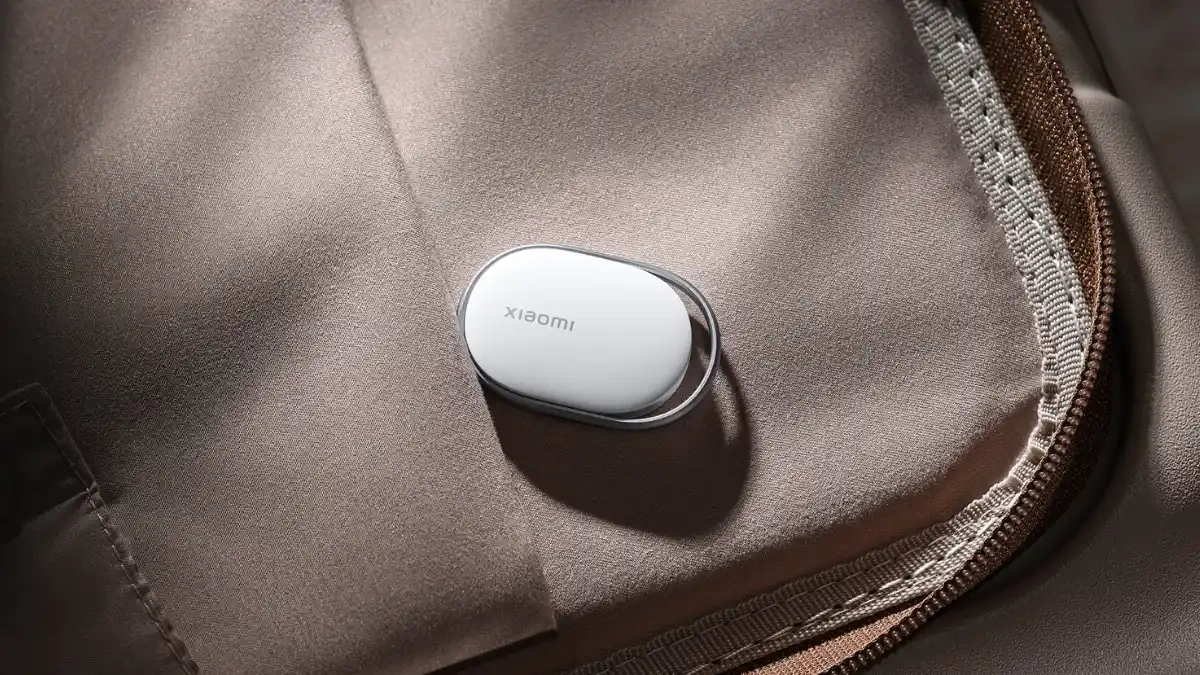
Alright, let’s grab a virtual coffee and talk about something truly fascinating that just happened in the tech world. We’re not just talking about another gadget launch; we’re diving into a quiet ripple that just became a wave in the world of lost keys, misplaced wallets, and constantly disappearing bags. Xiaomi, a brand synonymous with shaking things up and delivering fantastic value, just dropped a bombshell that changes the entire conversation around item tracking. We’re talking about a smart tag that’s not just an AirTag competitor ; it’s an AirTag competitor that works natively with Apple’s Find My network . Mind blown yet? Mine too.

Here’s the thing: this isn’t just about giving us more options for finding our stuff. This is about a monumental shift in how we perceive tech ecosystems, brand loyalties, and even the very definition of ‘compatibility.’ It’s a move that has vast implications for consumers, for other tech giants, and for the future of item tracking devices . Let’s unpack the ‘why’ behind this unexpected, yet incredibly exciting development.
Decoding the “Why” | Apple’s Walled Garden Gets a (Small) Door

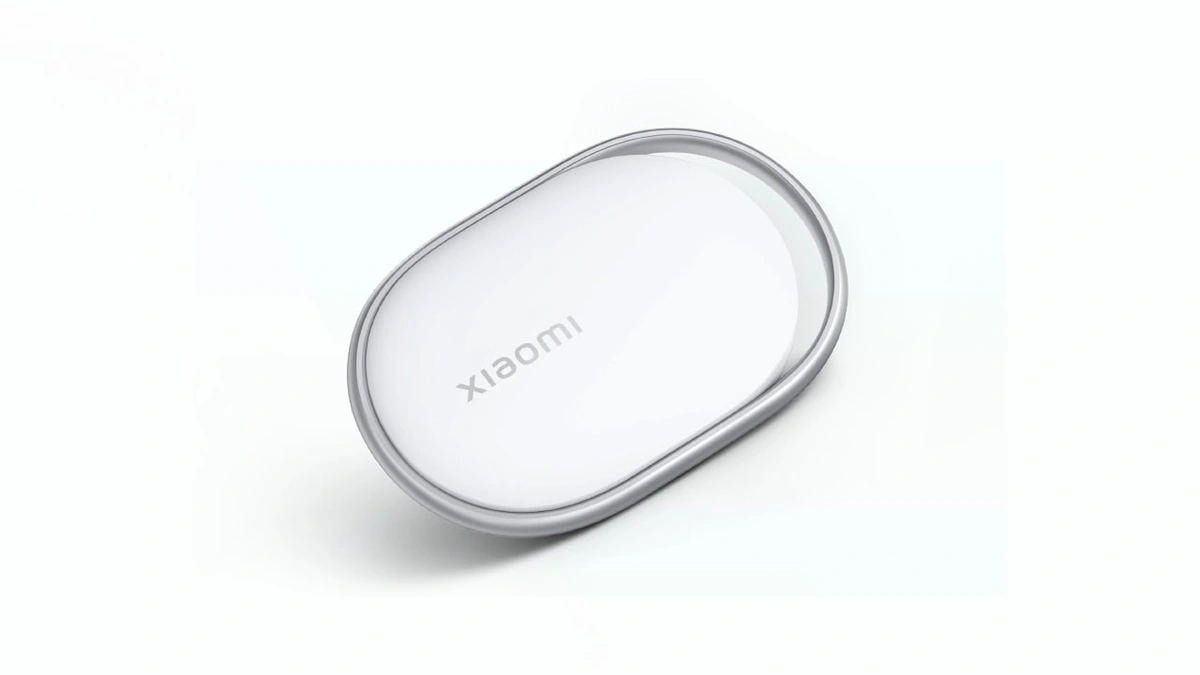
For years, Apple has been the undisputed champion of the ‘walled garden’ approach. Their ecosystem is meticulously crafted, offering seamless integration and a premium experience, but often at the cost of cross-platform freedom. From iPhones to AirPods to the AirTag itself, everything just… works together, beautifully, but almost exclusively within the Apple universe. And honestly, it’s a strategy that has served them incredibly well, fostering fierce brand loyalty and creating a perception of superior user experience.
So, when Xiaomi, a major global player (and let’s be real, a direct competitor in many markets), announces a tracker that plugs directly into Apple’s Find My network , it’s not just a product announcement. It’s a statement. It’s an acknowledgment from Apple that perhaps, just perhaps, opening a tiny gate in that high wall could actually benefit everyone. Think about it: a vast, global network of Apple devices, constantly pinging and locating lost items, now has a non-Apple device tapping into its power. This dramatically expands the reach and utility of the Find My network for potentially millions of new users, including many who might be primarily Android users but still appreciate the robust tracking capabilities of Apple’s system. What this signals is a fascinating evolution in Apple ecosystem integration , moving towards a slightly more open approach, even if it’s currently limited to certain accessories.
The implications for the smart tag market are huge. Until now, if you wanted the unparalleled global reach and precision finding of the Find My network, an AirTag was your only option. Now, suddenly, there’s a formidable Xiaomi AirTag alternative . This move fosters healthy competition, pushing innovation and potentially leading to more feature-rich or more affordable options for consumers. It’s a win-win, really. Consumers get more choice, and the Find My network grows even stronger.
Beyond Tracking | What This Means for Privacy and Security
When Apple launched the AirTag, they weren’t just introducing a tracking device; they were also introducing a robust set of privacy and anti-stalking features. These included alerts for unknown AirTags moving with you, and sounds to help locate misplaced tags that aren’t yours. This was a critical aspect of their rollout, addressing widespread privacy concerns tracking devices could raise.
So, a crucial question arises: how will Xiaomi’s Find My Tracker uphold these same rigorous standards? The good news is that for a device to be compatible with the Find My network, it generally has to adhere to Apple’s privacy and security protocols. This means that users should expect similar anti-stalking features and data encryption, ensuring that while you can find your lost items, the devices aren’t easily repurposed for nefarious uses. It’s a testament to the trust Apple places in its network partners (or perhaps, the strict guidelines it enforces) that such sensitive functionality is extended to a third party. This commitment to security, even with cross-platform compatibility , is paramount for consumer confidence.
The challenge, of course, is in the implementation. Will Xiaomi’s user experience for managing these privacy settings be as intuitive as Apple’s? We’ll have to wait and see, but the baseline requirement of Find My compatibility offers a significant layer of reassurance for those worried about their digital footprint and personal safety. It underlines the importance of robust privacy features item trackers must now incorporate to be viable in the market.
The Tech Under the Hood | Is UWB Still King?
A big part of the AirTag’s magic, especially for iPhone 11 and newer users, is its Ultra-Wideband (UWB) technology , which enables ‘Precision Finding.’ This isn’t just about knowing your item is nearby; it’s about a directional arrow on your phone pointing you right to it, complete with haptic feedback. It feels like magic, honestly, especially when your keys are hiding under a pile of laundry. You can learn more about UWB technology on Wikipedia .
Now, the specifications of Xiaomi’s smart tag are still being fully revealed, but if it truly offers a comparable experience, it likely incorporates UWB as well. This is significant because UWB, while powerful, isn’t yet universally adopted in all smartphones. Xiaomi’s entry into this space, especially with Find My compatibility, could accelerate the mainstream adoption of UWB beyond just high-end devices. Imagine a future where precise indoor positioning is as common as Wi-Fi. That’s the potential this kind of move unlocks.
The choice of UWB tracking technology for Find My compatible devices is not arbitrary; it’s a strategic decision to offer a superior finding experience. If Xiaomi delivers on this front, it means their tracker isn’t just a basic Bluetooth beacon; it’s a sophisticated piece of kit capable of matching the AirTag’s flagship feature. This pushes the boundaries of what consumers can expect from an affordable item tracker , bringing premium functionality to a wider audience.
The Price Factor and the Future of Item Tracking
Let’s talk brass tacks: price. Xiaomi has built its empire on offering incredible technology at competitive prices. This is where their Xiaomi smart tag price could truly disrupt the market. AirTags, while fantastic, aren’t exactly cheap, especially if you need a few of them. If Xiaomi can offer a functionally similar (or even nearly similar) device at a significantly lower price point, it could open up item tracking to a whole new demographic.
This isn’t just about undercutting Apple; it’s about making advanced lost item recovery accessible. Suddenly, tagging multiple items, from your backpack to your pet’s collar (if designed for it), becomes a much more palatable expense. This kind of competitive pressure often spurs other brands, even Apple, to re-evaluate their pricing strategies or innovate further to justify their premium. For a broader look at some of Xiaomi’s other recent innovations, you might want to check out their Xiaomi series with Leica, Leitz Phone, Pad, and Watch launches .
What does this mean for the future? I think we’re going to see a surge in cross-brand compatibility trackers . As the ‘internet of things’ continues to expand, proprietary ecosystems become less practical for everyday items. Consumers want things that just work, regardless of the phone in their pocket. Xiaomi’s move might just be the first domino in a trend towards more open, integrated item-tracking solutions that prioritize user convenience over brand exclusivity. It’s an exciting prospect for anyone who’s ever lost something valuable.
FAQs | Your Burning Questions Answered
Is Xiaomi’s new tracker a direct clone of the AirTag?
While it serves a similar purpose and integrates with the same Find My network, it’s not a direct clone. Xiaomi will bring its own design, and potentially some unique features or a different price point, making it a compelling Xiaomi AirTag alternative rather than an identical copy.
How does it work with Apple’s Find My network?
Xiaomi’s tracker uses the same secure, anonymous Find My network as AirTags. When your lost item is within range of any iPhone, iPad, or Mac in the network, it securely relays its location back to you. This means a vast, global network helps you find your belongings, irrespective of whether you’re an Android or Apple user (though an Apple device is typically needed for setup and full functionality).
What are the main advantages of Xiaomi’s smart tag over others?
Its primary advantage is the integration with Apple’s Find My network , offering unparalleled global reach for tracking, previously exclusive to AirTag. Combined with Xiaomi’s reputation for competitive pricing, it presents a highly attractive option for an affordable item tracker .
Will it have the same anti-stalking features as AirTag?
Yes, for a tracker to be officially compatible with Apple’s Find My network, it must adhere to Apple’s stringent privacy and security standards, including anti-stalking features like unknown tracker alerts.
Where can I buy the Xiaomi AirTag alternative?
Availability will depend on your region. Keep an eye on Xiaomi’s official website and major electronics retailers for launch announcements. For more on Xiaomi’s wider product ecosystem, you might find details on their other recent product launches here .
The Unexpected Crossroads of Tech Giants
So, what’s the big takeaway here? Xiaomi’s foray into the Find My network isn’t just about a new product; it’s a fascinating case study in how dominant ecosystems can (and perhaps must) evolve. It signals a future where collaboration, even among rivals, might become more common for the benefit of consumers. It’s about breaking down walls, creating more choice, and making the cutting edge of technology accessible to more people. This isn’t just about finding your keys; it’s about unlocking a new era of connectivity and consumer power. And that, my friends, is something worth getting excited about.


