

Alright, let’s grab a virtual coffee and talk about something truly fascinating, something that moves beyond just convenience into the realm of genuine personal safety: your Wear OS earthquake detection is no longer tethered to your smartphone. Seriously. Imagine this: the ground starts to rumble, your phone is charging in another room, maybe it’s even dead, but your smartwatch, snug on your wrist, buzzes with a crucial early earthquake warning. That’s not science fiction anymore; it’s a reality rolled out by Google, and it’s a bigger deal than you might think.
Here’s the thing, most tech updates feel incremental, right? A slightly better camera, a faster chip, a new emoji. But this? This is different. This is about transforming your everyday wearable into a truly independent guardian, a silent sentinel constantly monitoring for seismic activity. It’s not just a cool feature; it fundamentally changes the role of our personal safety devices and how we approach emergency preparedness in an unpredictable world. Let’s be honest, how often is your phone glued to you 24/7, especially when you’re sleeping or out for a run?
So, why does this matter so profoundly? Because an earthquake, unlike a calendar reminder, doesn’t wait for you to find your phone. Seconds can literally save lives. By cutting the cord between your watch and your phone for these critical alerts, Google isn’t just adding a bullet point to a spec sheet; they’re enhancing a vital safety net, making it more resilient and reliable. This isn’t just about getting information; it’s about getting timely, actionable information directly to the one device that’s arguably closest to your person at all times.
The Silent Sentinel | How Your Watch Becomes Your First Responder
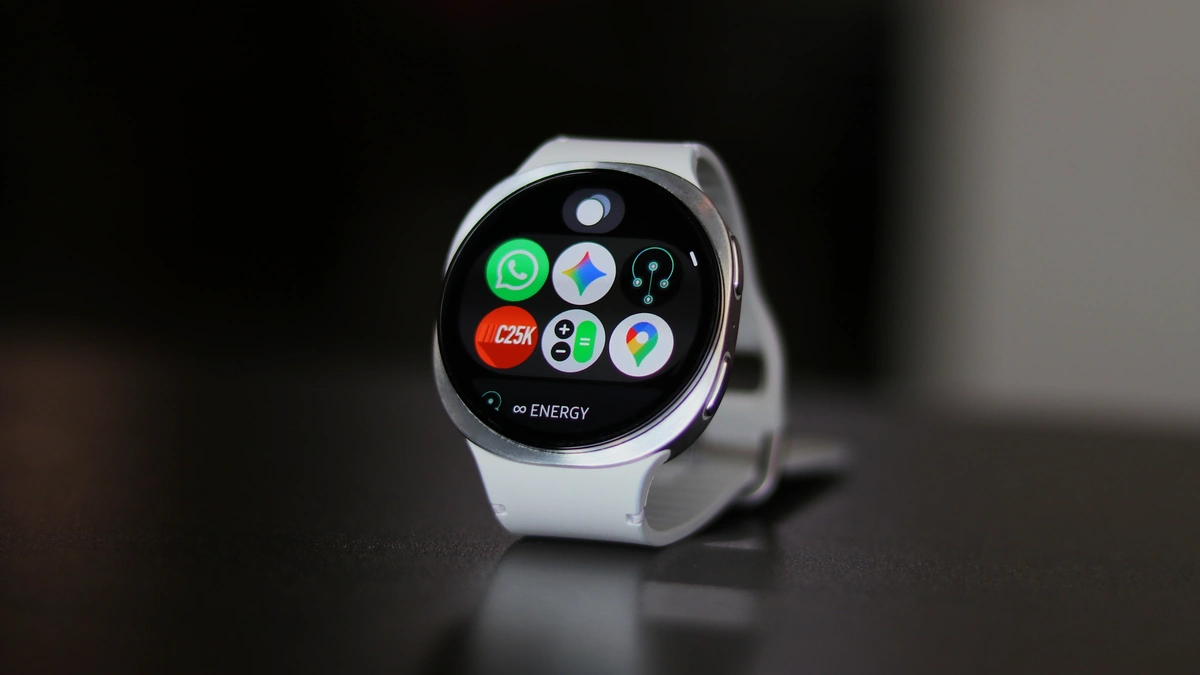
Think about the typical scenario. You hear about an earthquake alert system on your phone. Great! But what if your phone’s on silent, or it’s tucked away in your bag, or maybe you’re in an area with spotty cell service? The beauty of your Wear OS watch is its constant presence. It’s on your wrist, always. When an earthquake is detected by the broader Android Earthquake Alert System , which Google first rolled out for phones, that tiny computer on your arm can now receive and relay that critical information directly to you.
This isn’t just a simple notification mirrored from your phone. This is your watch independently receiving the alert because Google has enabled it to directly communicate with Google Play Services for earthquake detection. What fascinates me is the implicit trust we place in these tiny gadgets. We expect them to track our steps, monitor our heart rate, and now, potentially warn us of natural disasters before we even feel the first tremor. It’s a subtle but significant shift in capability, turning a device often associated with convenience and fitness into a genuine tool for survival.
The system relies on accelerometers within millions of Android phones globally, which essentially act as mini seismometers. When multiple phones detect what could be seismic activity, Google’s servers analyze the data to quickly identify an earthquake and its estimated magnitude and location. Previously, this alert would be pushed to your phone. Now, that same alert, using the same sophisticated backend, can trigger vibration alerts and visual notifications directly on your smartwatch safety features, ensuring you’re alerted even when your Android phone not needed for that specific function. It’s a testament to the power of distributed sensing and smart software.
Diving Deeper | The Tech Behind the Tremor Alerts
So, how does this magic happen without your phone? It all boils down to Google Play Services. This suite of services has been the backbone of many Android features, and it plays an equally crucial role on Wear OS. Google has essentially extended the direct communication channel between Google Play Services and your Wear OS device. This means your watch can now tap into Google’s earthquake alert system independently, without needing your phone as an intermediary.
Think of it like this: your phone used to be the dispatcher, taking the call from the earthquake center and then telling your watch. Now, your watch has its own direct line. This isn’t just about redundancy; it’s about robustness. If your phone is out of commission for any reason battery dead, left behind, or even damaged in an initial tremor your watch continues to function as an early warning systems device. This is a crucial distinction and a significant leap for personal safety technology.
The alerts themselves typically come in two forms: “Be Aware” for lighter tremors and “Take Action” for more significant quakes. Both are accompanied by distinctive sounds and, perhaps most importantly for a wearable, powerful haptic feedback. That strong vibration on your wrist is designed to cut through distractions, even wake you up from sleep. The true genius is making the watch an autonomous receiver. It’s not just a mirror; it’s an independent receiver, designed to ensure that in those critical moments, you’re not reliant on a secondary device to get the message.
More Than Just a Buzz | The Impact on Emergency Preparedness
The implications of this update stretch far beyond individual convenience. It’s a significant advancement in community-level emergency preparedness. In regions prone to earthquakes, every second counts. An alert that gives you even 5-10 seconds of warning can be the difference between getting under a sturdy table and being caught unprepared. Having this capability on a device that rarely leaves your body means a higher chance of receiving that critical alert, irrespective of your immediate environment.
Let me rephrase that for clarity: this isn’t just about saving lives. It’s about empowering individuals with immediate, passive awareness. It fosters a proactive mindset. Knowing your watch is capable of this might even prompt people to think more about their own disaster plans, to understand crucial steps outlined by agencies like Ready.gov . It integrates safety into our daily lives without requiring constant active engagement, which is the hallmark of effective preventative technology.
Consider the psychological impact too. In a stressful situation, clear, direct communication is vital. A sudden, unexpected vibration on your wrist, accompanied by a clear alert, provides a focal point for action. It’s less likely to be missed than a phone notification you might dismiss as junk. This subtle integration of life-saving information into our most personal tech is, to me, one of the most exciting aspects of modern gadgetry. It shifts the narrative from mere convenience to tangible security, proving that smartwatches are evolving into indispensable companions.
Setting Up Your Safety Net | What You Need to Know
So, how do you ensure your watch is ready to be your personal earthquake guardian? First off, ensure your Wear OS watch is running the latest software. This usually means keeping your Google Play Services updated, which typically happens automatically. Second, and crucially, you’ll want to make sure the Android Earthquake Alert System is enabled on your paired phone. While the watch can receive alerts independently, the initial setup and management of these alerts are often done through your phone’s settings (usually under Safety & Emergency or Location settings).
It’s not an “on by default for everyone” kind of feature, so a quick check of your phone’s settings is a good idea. Go to your phone’s Settings app, search for “Earthquake Alerts,” and make sure it’s toggled on. The watch then inherits this setting, but importantly, it can act on it solo. Always double-check your watch’s connectivity to Google Play Services to ensure seamless operation.
Keep in mind that this system is most effective in regions with a high density of Android phones and where geological data supports its efficacy. It’s fantastic to have this capability, but it’s not a replacement for traditional alert systems or common-sense disaster preparedness. It’s an invaluable addition to your personal safety toolkit, another layer of protection in an increasingly connected, yet unpredictable, world.
The Bigger Picture | Wear OS and the Future of Personal Safety
This leap for Wear OS earthquake detection is a microcosm of a larger trend: the evolution of wearables into serious personal safety hubs. We’re already seeing smartwatches with fall detection, emergency SOS features, and heart rate monitoring that can flag potential health issues. Adding independent earthquake alerts just solidifies this trajectory.
It signals Google’s commitment to making Wear OS devices more robust and capable on their own, moving away from being mere smartphone accessories. This independence enhances their utility exponentially, especially in situations where your phone might be inaccessible or non-functional. It means greater peace of mind for users in earthquake-prone areas, knowing their most personal device is also their most vigilant.
Looking ahead, I can only imagine how this capability will evolve. Could we see integration with other natural disaster warnings? Perhaps even more localized or personalized alerts based on our exact location and activity? The foundation laid by this update suggests a future where our wearables are not just extensions of our digital lives, but essential guardians of our physical well-being, much like how innovations like the Xiaomi Airtag competitor are reshaping item tracking.
Frequently Asked Questions About Wear OS Earthquake Alerts
Do all Wear OS watches support this feature?
The feature is rolling out to Wear OS 3 and newer devices with Google Play Services. While the focus is on newer devices and updated Wear OS series , ensuring your device has the latest Google Play Services is key. Older models might not have the necessary hardware or software integration.
How does the watch get alerts without my phone?
Your Wear OS watch directly communicates with Google Play Services to receive earthquake alerts. It leverages the global network of Android phones acting as mini-seismometers, but critically, your watch can now be an independent receiver of these alerts, bypassing the need for your phone to be present or functional.
What kind of alerts will I receive?
You’ll typically receive “Be Aware” alerts for lighter tremors and “Take Action” alerts for more significant earthquakes. These alerts are accompanied by distinctive sounds and strong haptic feedback (vibrations) to ensure you notice them immediately.
Is this feature available everywhere?
The Android Earthquake Alert System is available in many countries globally, particularly in earthquake-prone regions. However, the Wear OS specific feature to receive alerts without your phone is rolling out and availability may vary based on region and device updates. Check your phone’s Safety & Emergency settings for its status.
So, there you have it. Your Wear OS watch, once just a notification hub and fitness tracker, has quietly transformed into a crucial component of your personal safety infrastructure. It’s a testament to how even seemingly small software updates can carry immense weight, fundamentally changing our relationship with technology. This isn’t just about a gadget; it’s about a smarter, more resilient safety net, giving you those precious extra seconds when they matter most. Pretty cool, right?


